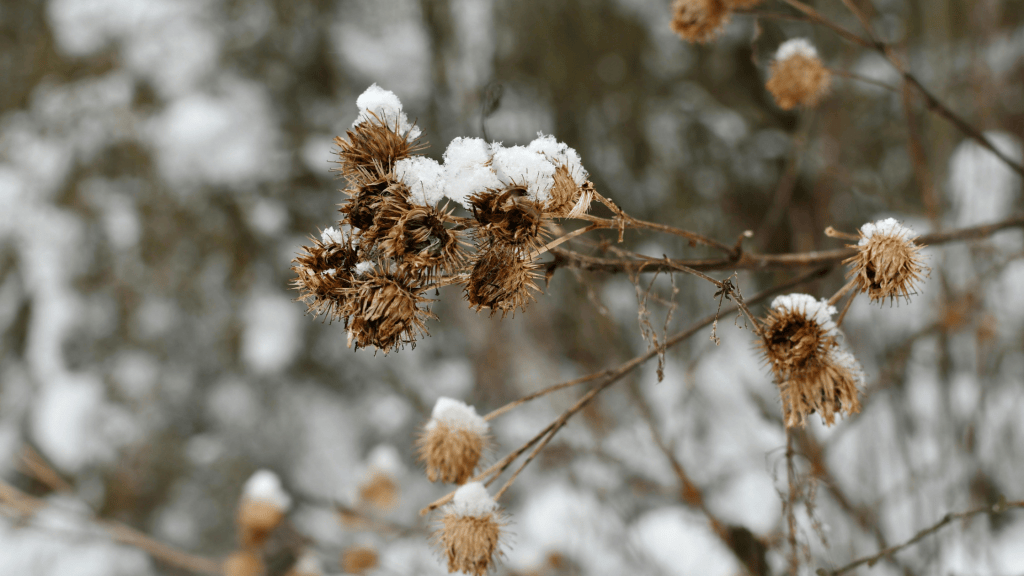
Just because the growing season slows down doesn’t mean our gardening adventures have to.
There’s something about autumn that signals a change in the garden.
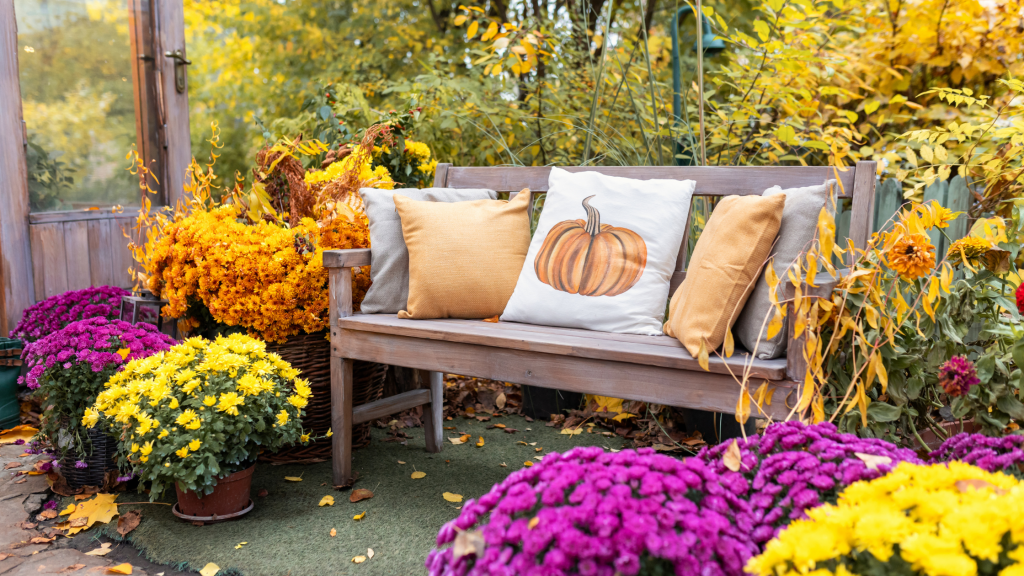
The days become shorter, the temperatures begin to drop, and many of the flowers and vegetables that kept us busy throughout spring and summer start winding down.
The garden that once demanded our attention almost daily begins to settle into a slower rhythm.
And for some gardeners, that brings a familiar question:
What am I supposed to do with myself now?
After months of planting, watering, pruning, harvesting, and occasionally wondering what in the world is eating our plants, suddenly there seems to be much less to do!
But here’s something I’ve come to appreciate about gardening:
Every season has something to offer, even when very little appears to be growing.
Autumn and winter can be wonderful opportunities to prepare, experiment, learn, and enjoy the garden in entirely different ways.
Here are some activities that can keep us connected to gardening throughout the colder months.
1. Give Your Garden a Little End-of-Season Attention
Before the cold weather settles in, take a walk around your garden and see what needs attention.
Remove diseased plant material, collect fallen branches, clean up vegetable beds, and put away equipment you won’t need for a while.
But don’t feel obligated to make everything perfectly tidy!
Leaving some healthy fallen leaves in garden beds and allowing certain plant stems and seed heads to remain can provide shelter and food for beneficial insects and birds.
A garden doesn’t have to look immaculate to be healthy.
Sometimes a slightly untidy garden is doing important work behind the scenes.
2. Plant Something That Will Surprise You in Spring
One of my favorite things about autumn gardening is knowing that some of the work we do now won’t reveal its beauty until months later.
Depending on your climate, autumn can be an excellent time to plant spring-flowering bulbs such as daffodils, crocuses, and tulips.
Some bulbs require a period of winter chilling, and gardeners in warmer climates may need to select suitable varieties or prechill certain bulbs.
Autumn is also a good time in many regions to plant trees, shrubs, and hardy perennials while temperatures are cooler and the soil remains workable.
Imagine stepping outside in early spring and discovering flowers emerging from bulbs you planted months earlier.
It’s almost like receiving a gift from your past self!
3. Grow Herbs and Greens Indoors
Who says growing has to stop just because it’s cold outside?
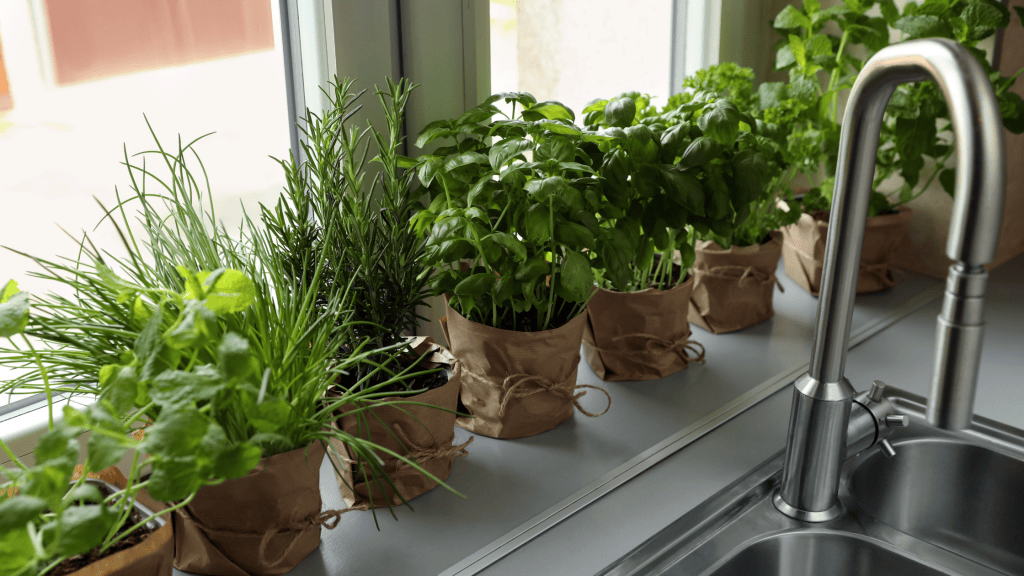
A sunny windowsill or a suitable grow-light setup can provide an opportunity to grow a few herbs indoors.
Parsley, chives, mint, and certain other herbs may do well when provided with adequate light, water, and proper drainage.
You can also experiment with microgreens, which grow relatively quickly and don’t require much space.
Indoor gardening is especially enjoyable when you’re missing the pleasure of tending something green.
Just remember that winter sunlight through a window may not be sufficient for every plant. Supplemental lighting can make a big difference.
4. Start Planning Next Year’s Garden
Now this is where things can get interesting!
Remember that flower you admired in someone else’s garden?
The vegetable variety you wanted to try?
The garden bed you’ve been thinking about redesigning?
The colder months are a wonderful time to turn those thoughts into plans.
Sketch out your garden layout, research plant varieties, review seed catalogs, and consider what worked well during the previous growing season.
Think about which plants thrived, which struggled, and what changes might improve your results.
I particularly enjoy the learning aspect of gardening because there’s always something new to discover.
And sometimes the best gardening decisions are made while sitting comfortably indoors with a warm cup of tea!
5. Take Care of Your Gardening Tools
Our gardening tools work hard during the growing season, so why not give them a little attention?
Clean your pruners, sharpen appropriate cutting tools, inspect hoses, and check equipment for wear.
Remove soil and moisture from metal tools to help prevent rust.
This is also a good time to organize seed packets, gardening supplies, pots, and containers.
A little preparation now can make those first exciting spring gardening days much easier.
6. Support the Wildlife That Visits Your Garden
Although many plants become dormant during winter, the garden remains an important habitat.
Birds, insects, and other wildlife continue to depend on outdoor spaces for shelter and food.
Consider leaving some seed heads standing, preserving suitable leaf litter, and providing clean water where practical.
Native plants can be especially valuable because they often support local wildlife throughout different seasons.
If you provide a bird feeder, keep it clean and follow local wildlife guidance.
There’s something wonderful about looking out the window on a cold morning and seeing birds visiting the garden.
It’s a reminder that nature is still very much at work.
7. Try Winter Sowing
Here’s an activity that can be especially interesting for gardeners who enjoy experimenting.
Winter sowing involves planting seeds outdoors in containers during the colder months, allowing them to experience natural seasonal conditions.
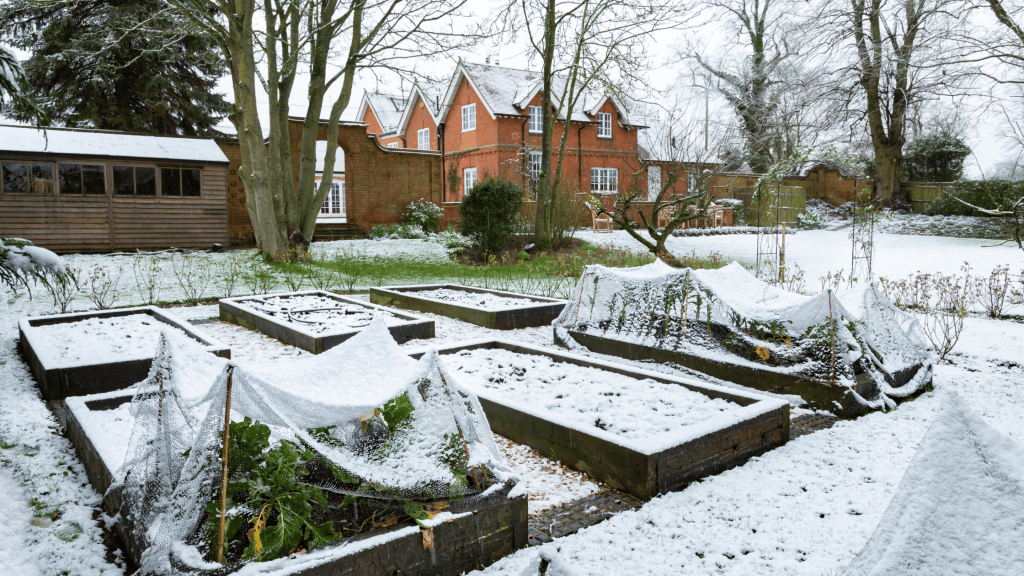
Some gardeners use recycled translucent containers, such as milk jugs, to create miniature outdoor growing environments.
Certain hardy perennials and native plants benefit from a period of cold, moist conditions that help break seed dormancy. This process is called cold stratification.
Not all seeds require this treatment, so it’s important to research the particular plant you’re growing.
For those who enjoy learning through experimentation, winter sowing can be a rewarding project.
And there’s something exciting about knowing that seeds are quietly preparing for spring while we’re inside keeping warm.
8. Keep a Garden Journal
If you’ve never kept a gardening journal, autumn and winter are wonderful times to begin.
Record what you planted, when things bloomed, which varieties performed well, and what challenges you experienced.
Include photographs, sketches, observations, or even a few reflections about what gardening meant to you during the year.
A garden journal doesn’t have to be elaborate.
It can be a notebook, a digital document, or a collection of photographs with notes.
Over time, these records become incredibly useful.
They also tell the story of how your garden—and perhaps even you—have changed through the seasons.
9. Visit Gardens and Explore Nature
Just because your own garden is resting doesn’t mean there aren’t beautiful things to discover elsewhere.
Botanical gardens, public parks, nature trails, nurseries, and garden centers can offer inspiration throughout autumn and winter.
You may discover interesting evergreen plants, winter-blooming shrubs, unusual trees, or creative landscape designs.
And don’t overlook the beauty of trees without their leaves!
Their branching patterns, bark textures, and overall shapes become much more noticeable during winter.
Sometimes removing the flowers and foliage allows us to appreciate entirely different aspects of nature.
10. Give Yourself Permission to Rest
This may be one of the most important activities on the list.
Rest.
Yes, rest is allowed in gardening!
After months of digging, planting, watering, weeding, harvesting, and maintaining our gardens, there’s nothing wrong with slowing down.
In fact, many plants depend on periods of dormancy as part of their natural life cycles.
Perhaps we can take a little inspiration from that.
Use the colder months to read gardening books, watch educational videos, enjoy your favorite garden photographs, or simply dream about what you’d like to grow next.
You don’t have to be constantly working in the garden to remain a gardener.
Sometimes the best thing we can do is appreciate what we’ve accomplished and look forward to what’s coming.
A Final Thought: The Garden Is Resting, Not Finished
One of the beautiful things about gardening is that it teaches us to appreciate the rhythm of the seasons.
Spring brings anticipation.
Summer brings abundance.
Autumn brings transition.
And winter offers a quieter opportunity for reflection and preparation.
Each season has its purpose.
So when the flowers fade and the garden begins to settle down, don’t think of it as the end of your gardening adventures.
Think of it as another chapter.
A chance to learn something new, prepare for future growth, appreciate nature in a different way, and perhaps enjoy a well-deserved break.
Because even when the garden appears to be resting, there’s often something wonderful happening beneath the surface.
And before we know it, spring will be knocking on the garden gate once again.
Until next time, keep growing, keep discovering, and remember to enjoy every season of your gardening journey.
#AutumnGardening #WinterGardening #GardenPlanning #BloomsHerbsAndBeyond
Blooms, Herbs & Beyond — The Garden Journal




Leave a Reply